What Focal Length Actually Does to a Photograph
Most people learn focal length as a single idea: bigger numbers bring far things closer. That description isn’t wrong, but it is so incomplete that it hides the most useful thing focal length does. A lens is not only a tool for magnification. It is a tool for controlling the relationship between the objects in your frame, and once you understand that, you stop thinking about zoom as a convenience and start using it as a language.
The clearest way to feel this is an experiment you can do this afternoon. Photograph a friend’s face with a wide lens, standing close enough to fill the frame with their head. Then swap to a longer lens, back up until their head fills the frame again, and shoot. Both pictures are framed identically. Neither one looks the same. The wide version enlarges the nose, pushes the ears back, and gives the face a slightly cartoonish bulge. The long version flattens the features into something calm and flattering. The face didn’t change. Your distance to it did, and that distance is what focal length quietly forced you to choose.
Perspective comes from your feet, not your lens
This is the idea that reorganizes everything. Perspective, meaning the apparent size and spacing of near objects versus far ones, is determined entirely by where the camera sits. A wide lens doesn’t distort faces because of some optical flaw. It distorts them because a wide lens tempts you to stand close, and standing close is what exaggerates whatever is nearest the camera. Move a telephoto lens to that same close position and it would exaggerate exactly the same way; it simply can’t frame the shot from there.
So the honest way to describe focal length is this: the lens chooses your working distance, and your working distance chooses your perspective. When you zoom in with your feet planted, you are not changing perspective, only cropping. When you change lenses and then walk to reframe, you are changing perspective completely. Understanding this frees you from thinking a zoom lens and moving closer are the same act. They are opposites.
Compression is a storytelling tool
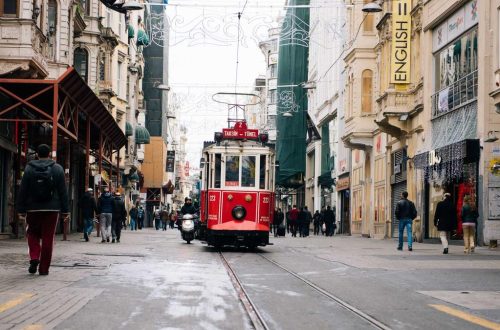
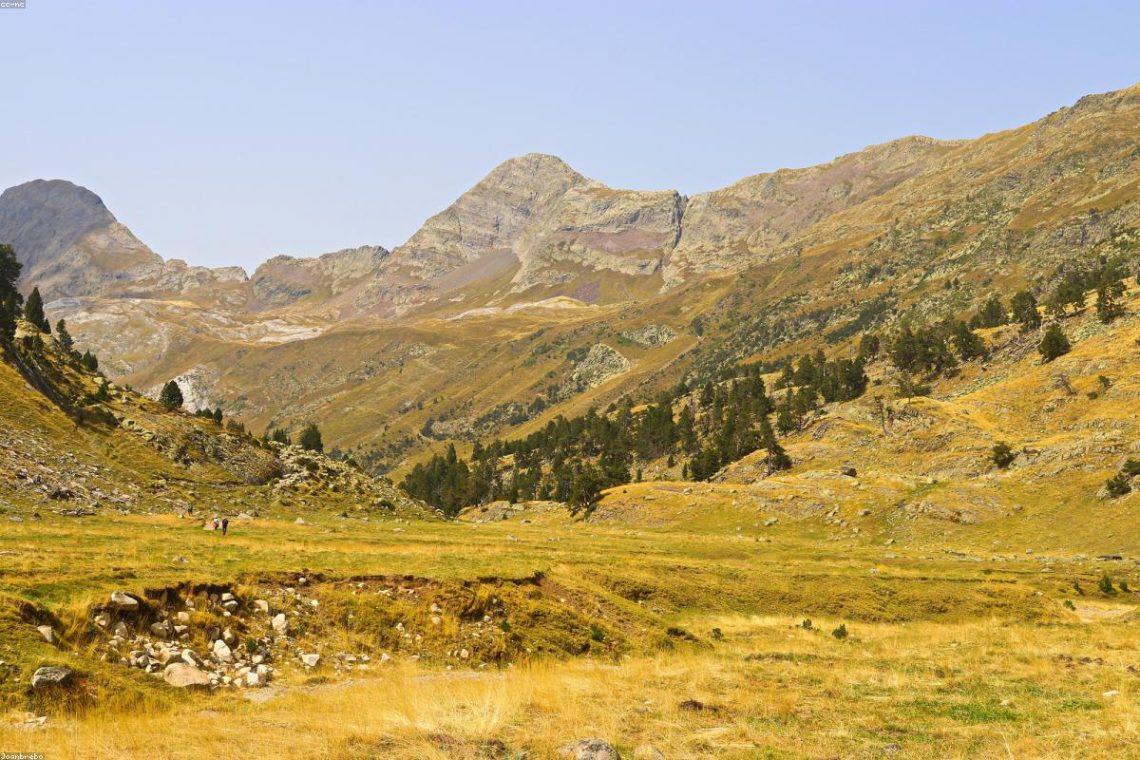
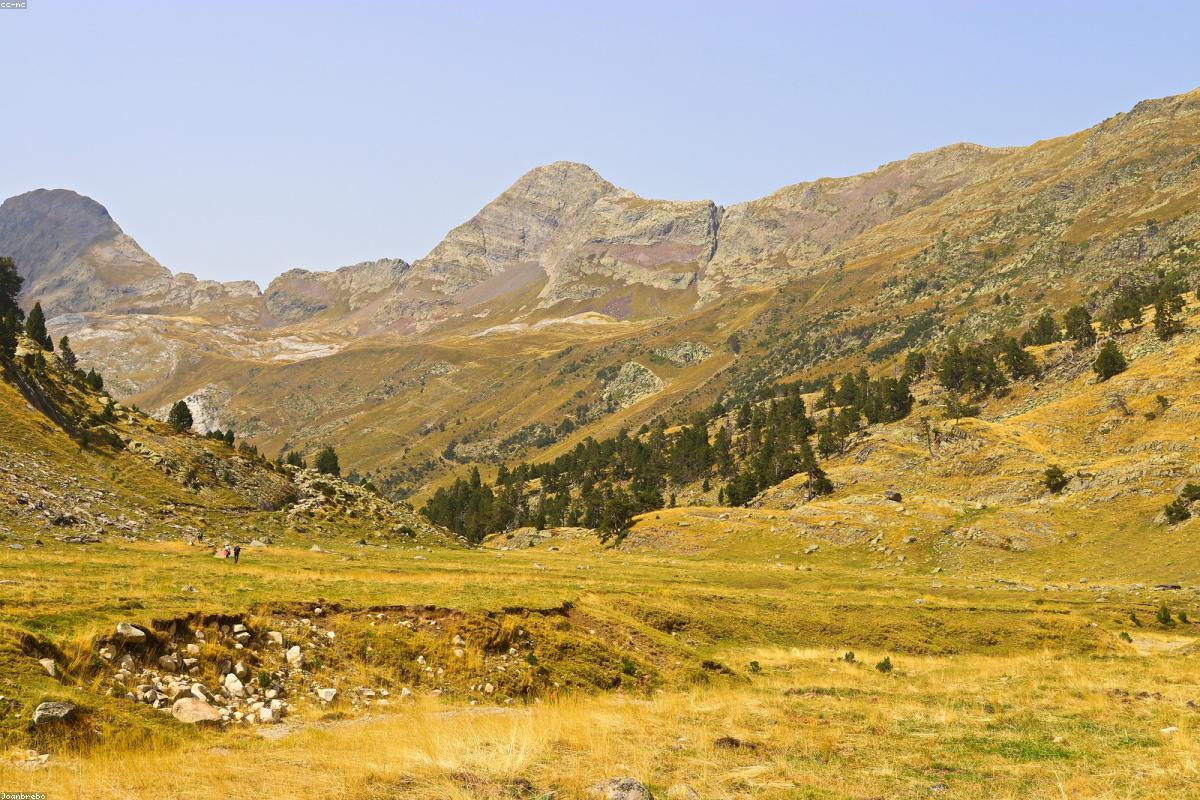
Long lenses produce what photographers call compression, where background elements appear larger and closer to the subject than our eyes expect. The classic example is a portrait shot at 200mm where distant mountains loom enormously behind a small figure, or a street photo where a crowd stacks into a dense wall of faces. Nothing was faked. The telephoto simply put you far away, and from far away the size difference between near and far objects shrinks, so everything piles up.
This is why sports and wildlife shooters love long glass beyond the obvious reach. Compression isolates a subject against a background that melts into soft, uniform color. It also lets you build tension by stacking layers, making a busy scene feel crowded and urgent. When you want intimacy and separation, reach long. When you want a viewer to feel embedded in a chaotic space, do the opposite.
Wide lenses put the viewer inside the room
Wide focal lengths exaggerate depth. Near things loom, far things shrink and rush away, and the space between them stretches. This is precisely why a real estate photo of a small apartment is almost always shot wide: the exaggerated depth makes the room feel larger than it is. It is also why environmental portraits, where a person is shown within their workshop or kitchen or field, tend to use wider lenses. The wide view says the surroundings matter as much as the face.
The trap with wide lenses is that they demand you get close and stay disciplined about what sits at the edges. Because everything near the frame border stretches, a wide shot with a person’s hand or foot at the edge will bloat that limb unpleasantly. Keep your important subject away from the extreme corners, and use the exaggerated foreground on purpose, letting a nearby object anchor the frame while the world falls away behind it.
Choosing a length for portraits
There is a reason portrait photographers gravitate toward the range from about 85mm to 135mm on a full-frame camera. That range lets you stand at a comfortable, non-intrusive distance while rendering facial features in natural proportion. Faces look like themselves. Backgrounds blur cleanly. The subject feels neither crammed against your lens nor stranded across the room. It is a flattering middle ground that has survived decades of fashion because it matches how we like to see people.
That doesn’t mean you should never break it. A 35mm environmental portrait that includes a chef in their kitchen tells a story an 85mm headshot cannot. A tight 200mm frame across a park can catch an unguarded expression precisely because the subject never noticed you. The point is to choose the length for the relationship you want, not to default to whatever is already on the camera.
When you are deciding, ask yourself a few plain questions:
- How much of the surrounding environment should be part of this story?
- Do I want near and far objects to feel spread apart, or stacked together?
- How close can I comfortably get to my subject without changing the moment?
- Does this face or object need natural proportions, or do I want deliberate exaggeration?
Answer those honestly and the focal length usually chooses itself. The photographers who seem to compose effortlessly are not luckier than you. They have simply stopped seeing lenses as magnifiers and started seeing them as decisions about distance, proportion, and how tightly the world should be pressed together inside the frame.