Understanding the Exposure Triangle Without the Jargon
Almost every photography frustration in the early years traces back to one thing: a shaky grasp of how aperture, shutter speed, and ISO work together. These three settings form what photographers call the exposure triangle, and once they click into place mentally, your camera stops feeling like a slot machine and starts feeling like an instrument you actually control. The goal of this article is to strip away the textbook stiffness and explain the triangle the way a patient friend would explain it over coffee.
What Exposure Actually Means
Exposure is simply how much light reaches your camera’s sensor while the shutter is open. Too much light and the image is blown out, washed into pale nothingness. Too little and it sinks into murky shadow. A correct exposure is a balance, and the three corners of the triangle are the three levers you pull to reach that balance. The catch, and the reason this confuses so many beginners, is that each lever does a second job beyond controlling brightness. Change one for exposure reasons and you also change something about how the photo looks.
Aperture and the Look of Depth
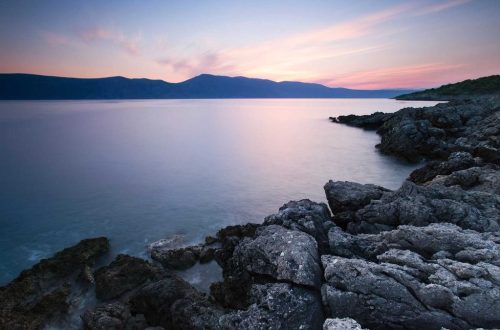
Aperture refers to the size of the opening in your lens, measured in f-stops like f/1.8 or f/16. A confusing quirk is that smaller numbers mean larger openings. A wide aperture such as f/1.8 lets in a flood of light and produces a shallow depth of field, where your subject is sharp and the background melts into a creamy blur. This is the look people associate with professional portraits. A narrow aperture like f/11 lets in less light but keeps far more of the scene in focus, which is exactly what you want for a sweeping landscape where the foreground rocks and distant mountains should both be crisp.
So aperture is doing two things at once: controlling brightness and controlling how much of your scene is in focus. When you decide you want that buttery background, you have already made a brightness decision too, and the other two settings must compensate.
Shutter Speed and the Treatment of Motion
Shutter speed is how long the sensor is exposed to light, measured in fractions of a second like 1/500 or 1/30. A fast shutter speed freezes action, which is why sports and wildlife photographers live at 1/1000 and beyond. A slow shutter speed lets moving elements blur, which can be a flaw or a creative choice depending on your intent. Think of silky waterfalls or the light trails of cars at night, both made possible by leaving the shutter open for a second or more.
The practical warning here concerns camera shake. Hand-holding at slow shutter speeds introduces blur from your own tiny movements. A rough rule is to keep your shutter speed at least as fast as the inverse of your focal length, so a 50mm lens wants 1/50 or faster. Image stabilization buys you some room, but a tripod is the honest solution for long exposures.
ISO and the Cost of Sensitivity
ISO measures how sensitive your sensor is to light. Low ISO values like 100 produce the cleanest, most detailed images and are ideal in bright conditions. As light fades, you raise ISO to keep your exposure without slowing the shutter or widening the aperture further. The trade-off is noise, that grainy speckled texture that creeps in at high values. Modern cameras handle high ISO remarkably well, and a slightly noisy photo you actually captured beats a clean photo too dark or too blurry to use.
Further information is available at https://8xbetone.com/.
Think of ISO as the setting you adjust last, after aperture and shutter speed have done the creative heavy lifting. It is the buffer that rescues an exposure when the other two have been locked in for artistic reasons.
How the Three Work as a System
The elegance of the triangle is that the three settings are linked by a shared unit called the stop. One stop is a doubling or halving of light. If you widen your aperture by one stop to blur a background, you have doubled the light, so you can speed up your shutter by one stop to keep the same brightness. Nothing changes in exposure, but everything changes in feel. This is the core skill: trading settings against each other deliberately.
- Want a blurred background? Open the aperture, then compensate with a faster shutter or lower ISO.
- Want frozen action? Speed up the shutter, then open the aperture or raise ISO to recover brightness.
- Shooting in low light? Raise ISO last, after you have pushed aperture and shutter as far as the scene allows.
A Simple Way to Practice
Put your camera in aperture priority mode and spend an afternoon photographing the same subject at f/1.8, then f/5.6, then f/11, watching how the background changes while the camera adjusts shutter speed for you. The next day, switch to shutter priority and photograph moving water at 1/1000 and then at one full second. Seeing the cause and effect with your own eyes cements the concepts far better than memorizing tables ever will.
Once these relationships become instinct, full manual mode stops being intimidating. You will look at a scene, decide what matters most, the depth or the motion, set that corner of the triangle first, and balance the rest. That is the moment your camera truly becomes yours.