Photographing People So They Actually Look Like Themselves
A technically perfect portrait can still feel hollow if the person in it looks stiff, guarded, or like a mannequin posed for inspection. The hardest part of portrait photography is rarely the camera settings; it is the human connection that lets someone relax enough to reveal who they really are. A genuine portrait captures not just a face but a personality, and that requires as much emotional skill as technical skill. This article focuses on both, because a portrait needs each to succeed.
The Conversation Matters More Than the Camera
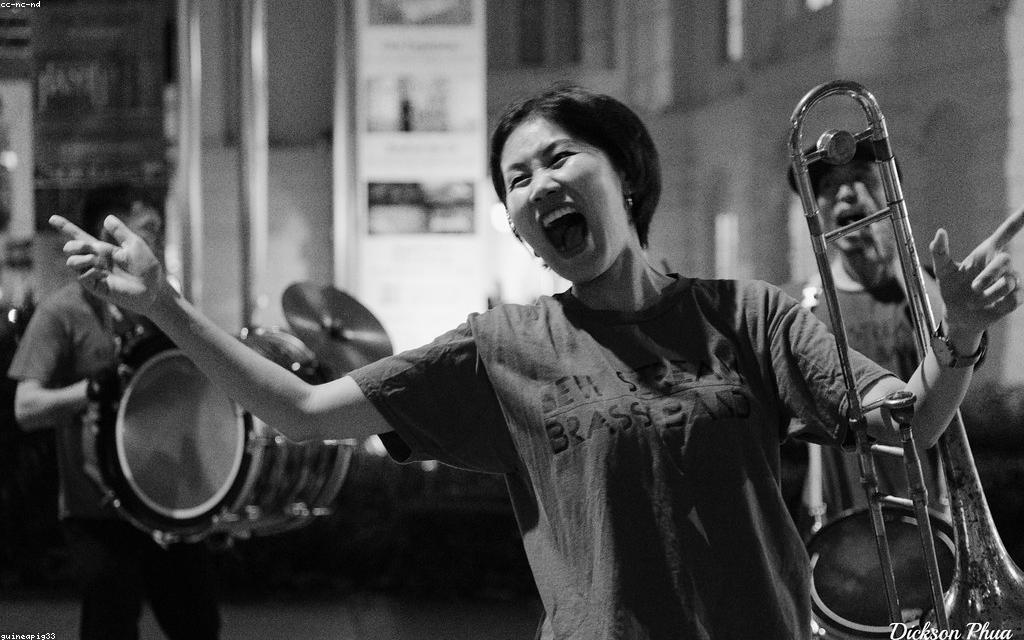
Most people are uncomfortable in front of a lens. They tense up, force smiles, and freeze. Your first job is to put them at ease, and that happens through conversation, not instruction. Talk with your subject before and during the shoot. Ask about their work, their interests, things that genuinely engage them. When someone is mid-thought about something they care about, their face comes alive in a way no command to smile can produce. The camera should almost feel incidental, a quiet observer of a real interaction rather than the focus of a tense performance.
Many seasoned portrait photographers shoot continuously while chatting, capturing the fleeting natural expressions that appear between posed moments. The best frame is often the one taken half a second after the subject finished laughing, when the smile softens into something authentic.
Light That Flatters the Human Face
Soft, directional light is the portrait photographer’s best friend. Hard midday sun creates harsh shadows under the eyes and nose and makes people squint, none of it flattering. Position your subject near a large window, in open shade, or under an overcast sky for that gentle wraparound light. Side light adds gentle modeling that gives the face dimension, while light placed slightly above eye level mimics natural daylight and creates pleasing catchlights, the small reflections in the eyes that make a portrait feel alive. Eyes without catchlights often look flat and lifeless, so watch for them.
Posing That Does Not Feel Like Posing
Rigid, symmetrical poses look unnatural because real people rarely stand that way. A few simple adjustments make an enormous difference, and you can guide them gently rather than barking commands.
- Turn the shoulders slightly away from the camera to create a more flattering, less confrontational angle.
- Give the hands something to do, holding a coffee cup, adjusting a sleeve, resting in a pocket, so they do not dangle awkwardly.
- Encourage a slight shift of weight onto the back foot, which relaxes the posture and avoids a stiff, planted stance.
- Create a small gap between the arms and the torso to define the figure rather than flattening it.
Demonstrate poses yourself rather than describing them; it is faster and saves your subject from feeling judged. And remember that not every portrait needs a smile. Thoughtful, neutral, or intense expressions often carry more depth and feel more honest.
Readers can also check LV 88.
Settings for a Compelling Portrait
Classic portraiture favors a moderate telephoto lens, somewhere around 85mm on a full-frame camera, because it compresses features flatteringly and lets you stand at a comfortable conversational distance. A wide aperture such as f/2 to f/2.8 blurs the background into a soft wash that isolates your subject, though be careful not to go so wide that one eye is sharp and the other soft. Always focus on the eye nearest the camera; sharp eyes are non-negotiable in portraiture because that is where viewers look first. Keep your shutter speed fast enough to freeze small movements, since people are never perfectly still.
Backgrounds Make or Break the Image
A cluttered background competes with your subject and signals carelessness. Before shooting, scan behind your subject for distractions: a pole appearing to grow out of their head, a bright sign, a busy pattern. Often a small change in your position or theirs cleans up the background entirely. Simple, uncluttered backgrounds keep attention on the face, which is the entire point of a portrait. When the environment is meaningful, such as someone in their workshop or kitchen, include it deliberately to tell a story, but make sure it supports the subject rather than overwhelming them.
Direct With Encouragement, Not Criticism
How you talk during a shoot shapes the results enormously. People hear silence as disapproval, so offer steady, genuine encouragement when something is working. A subject who feels they are doing well relaxes further and gives you more. Avoid pointing out perceived flaws, which only makes them self-conscious. Your energy is contagious; if you are calm, warm, and clearly enjoying the process, your subject will mirror that, and it shows plainly in their face.
In the end, the gear and settings are the easy part, learnable in an afternoon. The lasting skill is making another person feel seen and comfortable enough to drop their guard for a moment. Master that, and your portraits will carry the one quality that cannot be faked: they will look like the person actually is, not like someone performing for a camera.